From Solo Runs to Group Training: How to Make the Switch
Solo running feels safe. You control the pace, the route, the time. No one sees you struggle. But this control comes at a cost — and many solo runners plateau because they never push beyond their comfort zone.
Why Solo Runners Plateau
When you're your own pacesetter, you subconsciously set a pace that feels manageable. Without external reference points, it's difficult to know whether you're sandbagging or overreaching. Partners solve this instantly.
The Transition Challenge
Group running can feel exposing. What if you can't keep up? What if you slow everyone else down? These fears are almost universally unfounded — running groups and partner runners actively want to run with people at their level.
How to Make the Switch
Start with one person, not a group. A single running partner is less intimidating than a group and allows you to establish pace before joining larger sessions.
Be honest about your current ability. Tell your partner your typical 5K time. An honest conversation up front means a better run for both of you.
Set a structured session. Instead of "let's go for a run," agree on distance, approximate pace, and a route. Structure removes the awkwardness of negotiating mid-run.
Give it three sessions. The first run with someone new is always slightly awkward. By the third, you'll have a rhythm. Most running partnerships that reach three sessions become long-term.
Using Glluz to Find a Running Partner
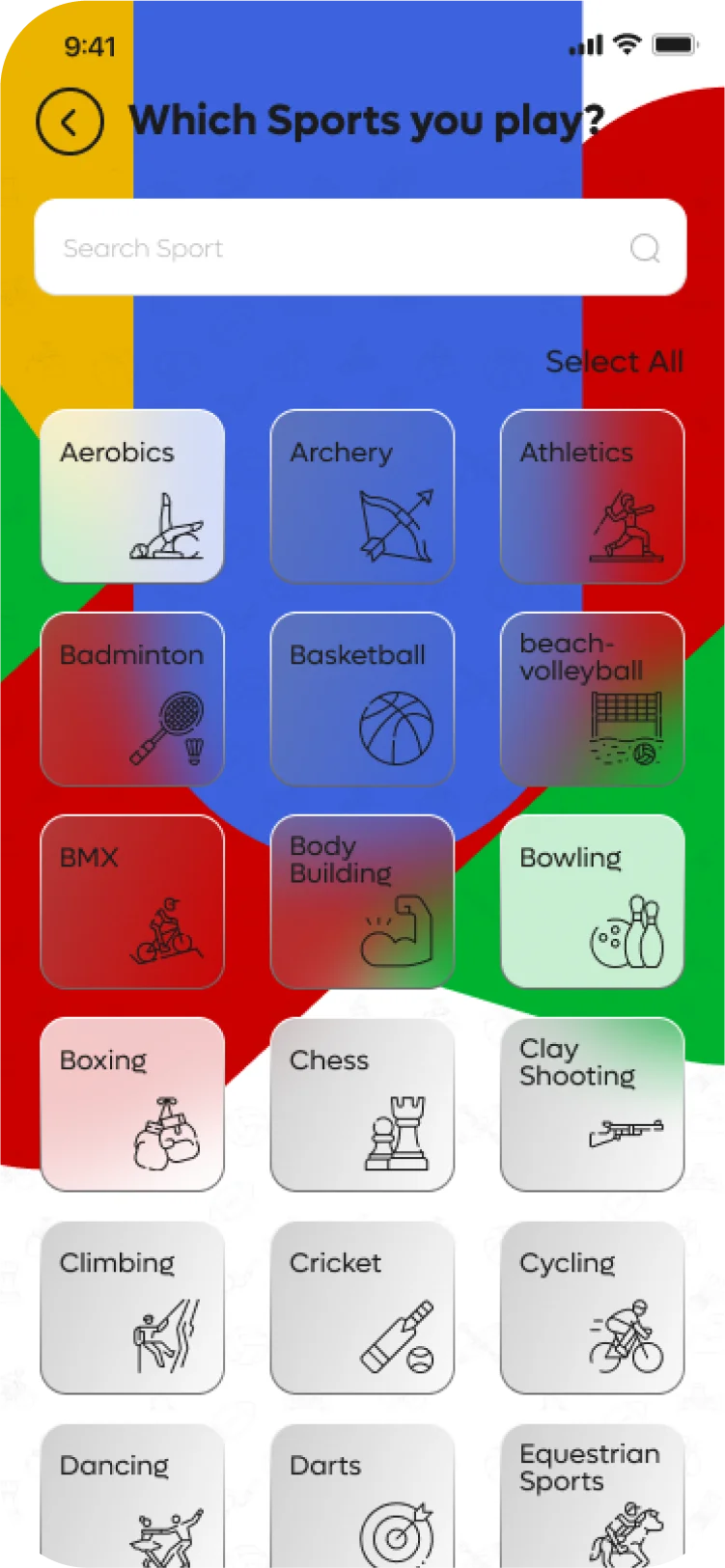
Filter by sport (Running), location, and skill level. Look for partners whose listed weekly mileage or pace roughly matches yours. A quick message agreeing a local route is all you need.
Find Your Sports Buddy Today
Download Glluz and connect with training partners near you — for any sport, any level.