The Science Behind Accountability Partners in Sport
The term "accountability partner" has become a productivity buzzword. But in sport, the psychological mechanisms behind it run much deeper than a simple "someone to answer to." Here's the science.
Social Facilitation Theory
Robert Zajonc's 1965 theory of social facilitation showed that the mere presence of others improves performance on well-learned tasks. For experienced athletes, training with a partner almost always results in better output — faster times, heavier lifts, longer sessions.
The Commitment Device
Behavioural economists use the term "commitment device" to describe choices that constrain future behaviour in desired ways. Scheduling a gym session with a partner is a commitment device — your future self, who might prefer the sofa, is held accountable by the arrangement your current self made.
Identity-Based Motivation
When you train with someone regularly, "sports partner" becomes part of your identity. Identity is enormously powerful in maintaining habits — we act in accordance with who we believe we are. Letting down your partner feels like letting down part of yourself.
The Role of Reciprocity
We are deeply wired for reciprocity. If a partner shows up for you consistently, you show up for them. This creates a self-reinforcing cycle that is far more durable than any solo motivation strategy.
Practical Implications
• Match by commitment level, not just skill. A highly committed partner at a slightly different skill level beats a perfectly matched but flaky one.
• Set shared goals. Pairs who train toward a shared target (an event, a fitness benchmark) show significantly higher retention.
• Create rituals. Same time, same place creates automatic behaviour that bypasses the daily motivation question entirely.
Find Your Sports Buddy Today
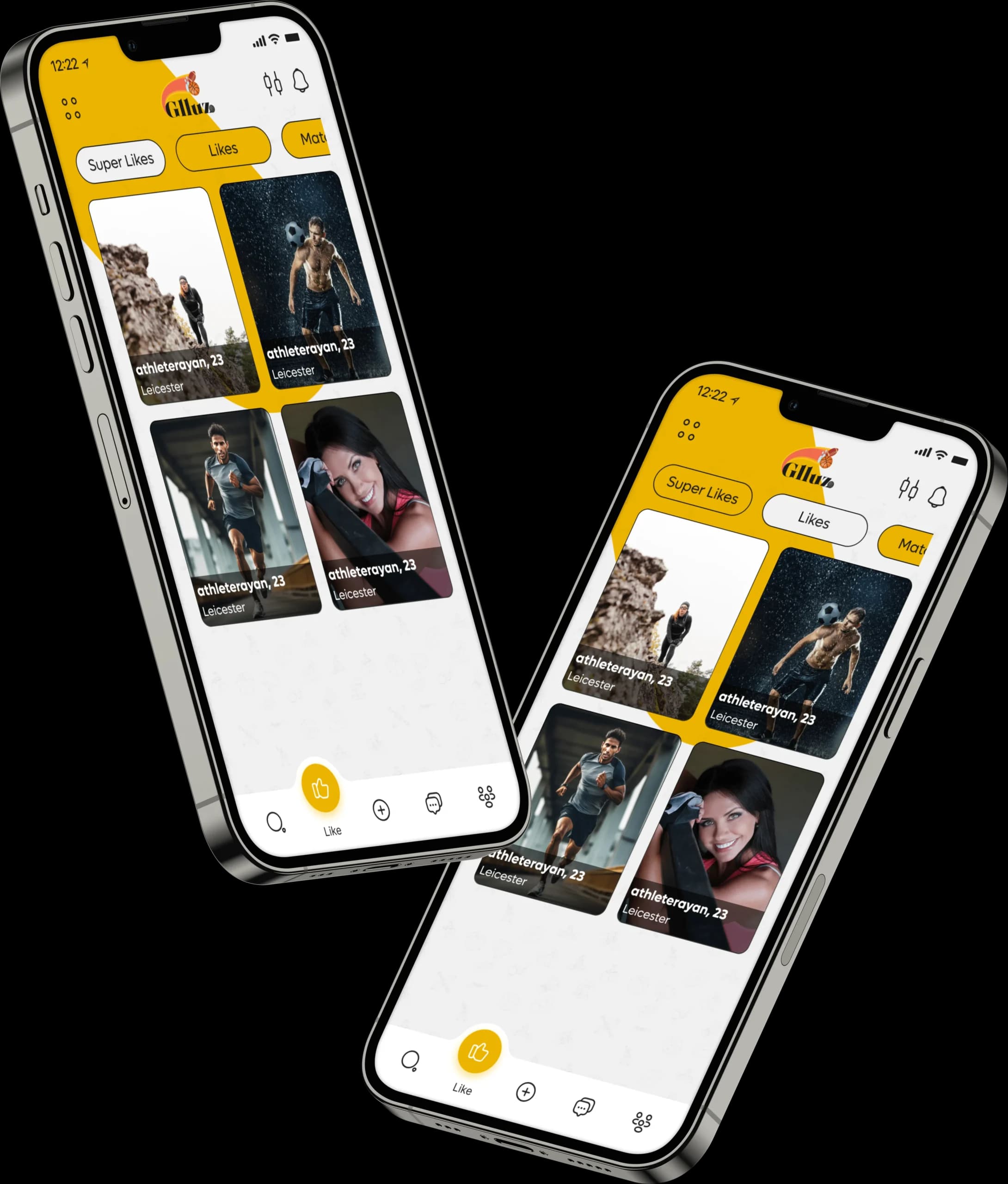
Download Glluz and connect with training partners near you — for any sport, any level.